Recent Attempts to Bring a Garment District to Chicago—and Why AIBI’s Work Matters Now
I remember what it felt like when a fabric and trim show came to Chicago. For a few days, suppliers, designers, product-development professionals, and people looking for answers were in the same place. You could look at fabrics in person, ask questions, exchange information, and meet people who understood what you were trying to build.
Then the event would end. The suppliers would leave, the seminars would be over, and the industry would become scattered again.
For years, Chicago has had designers, makers, manufacturers, educators, patternmakers, sample makers, fabric representatives, and creative entrepreneurs. But it has not always been easy to find those people or understand how all of the pieces fit together. For someone starting an apparel business, access to resources could depend on who you knew, how long you had been working in the industry, or whether you happened to meet the right person at the right event.
Looking back at Chicago’s recent fabric and sourcing events, I see several attempts to create what a garment district does: bring people, materials, knowledge, and opportunities together in one place.
The Chicago Textile Expo

One early example was the Chicago Textile Expo, hosted by Fine Fabric Sales. The first Expo took place in October 2014 and included wholesale fabric and trim vendors, educational seminars, and an industry networking event.
The Expo gave designers an opportunity to source materials in person while also learning more about the practical side of apparel development. Programming included topics such as patternmaking, product development, technical specifications, grading, marking, and working with production partners.
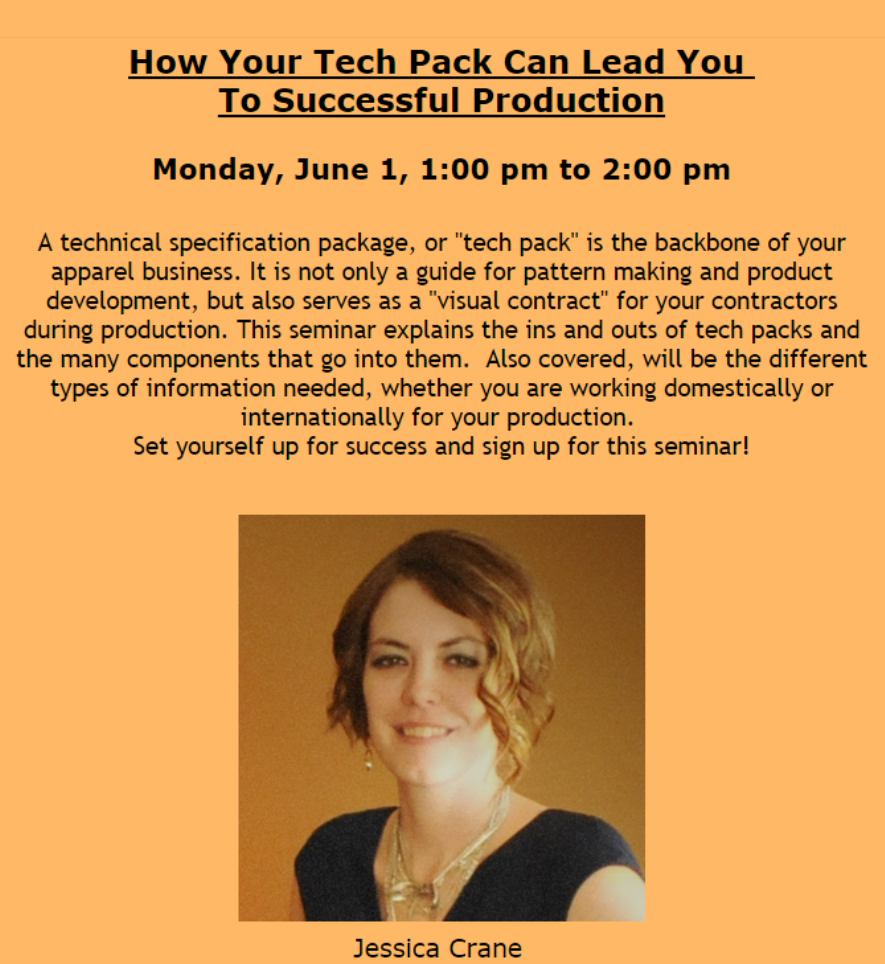
The Chicago Textile Expo returned in 2015. I was invited to present a seminar about tech packs, which are used to communicate garment details to a patternmaker, sample maker, or manufacturer. For emerging designers, this type of information can make a real difference in being able to move an idea toward production.
Events like this were valuable because they brought together things that are often hard to access separately: fabric and trim sourcing, technical education, business information, and industry relationships.
DG Expo at the Palmer House
The Fabric Shows, formerly known as DG Expo, later brought another fabric-and-trim sourcing opportunity to Chicago. The show came to the Palmer House Hilton in 2017 and 2018, giving designers and sewn-products businesses a chance to connect with wholesale suppliers without having to travel to New York, Los Angeles, or another major market.
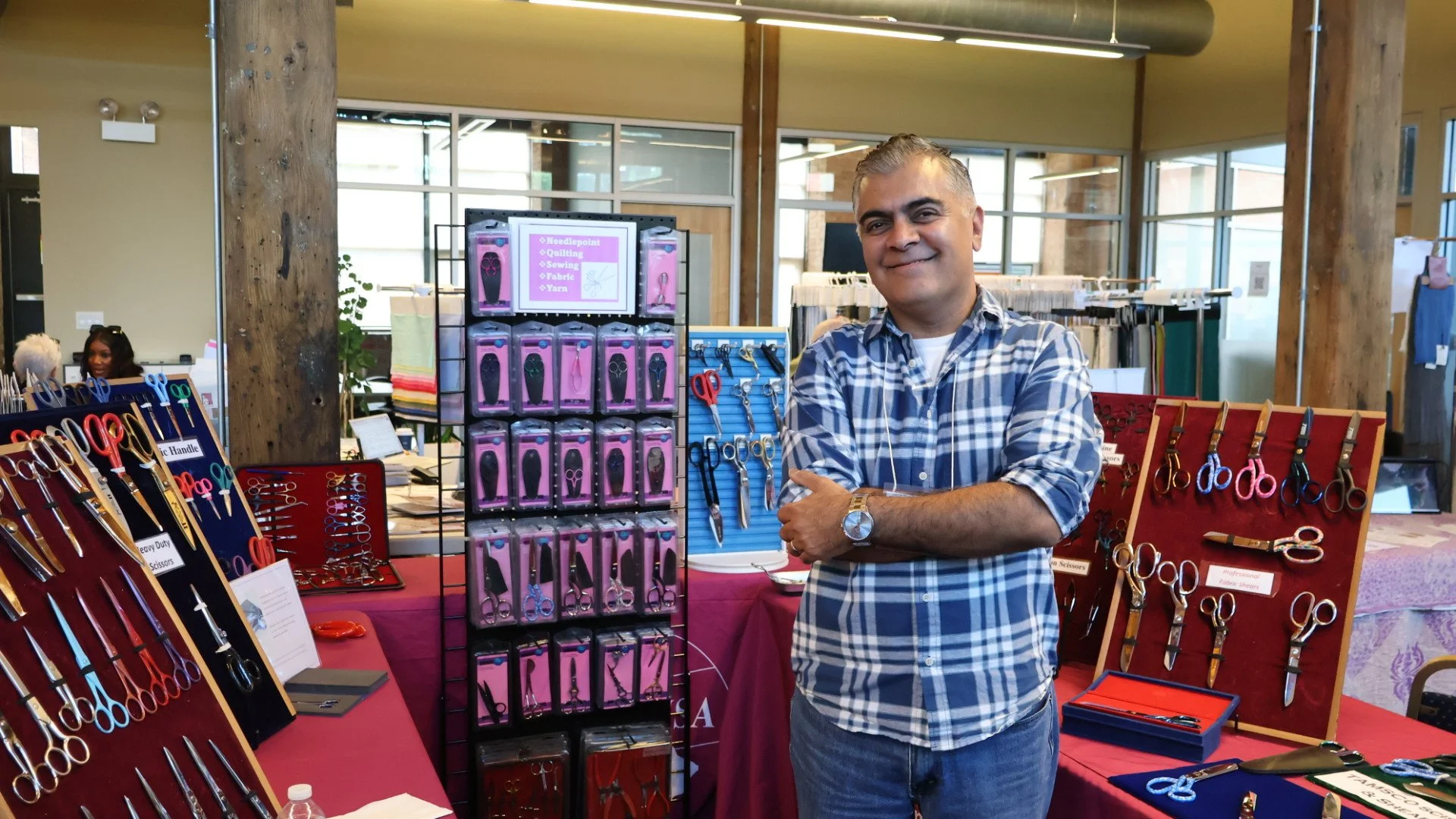
I had a booth at DG Expo when it came to Chicago. I remember it as an important opportunity for local businesses and independent designers to meet suppliers, look at materials, and make connections in person.
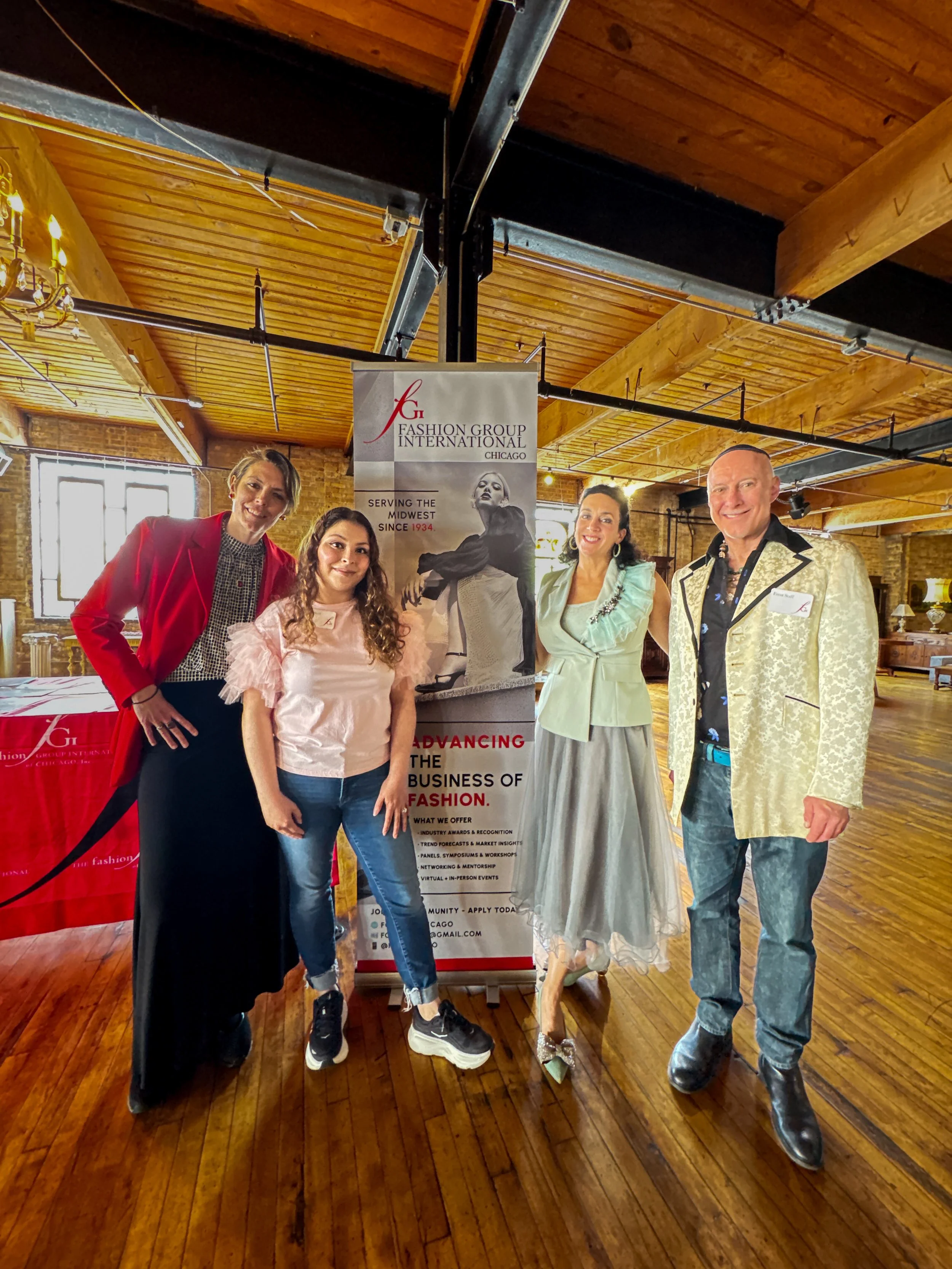
The 2017 DG Expo also included a Fashion Group International of Chicago trend presentation and holiday mixer at the Palmer House. It was one of those events where different parts of the local industry came together: people could attend the fabric show, hear about upcoming trends, meet new contacts, and continue conversations over the course of the evening.

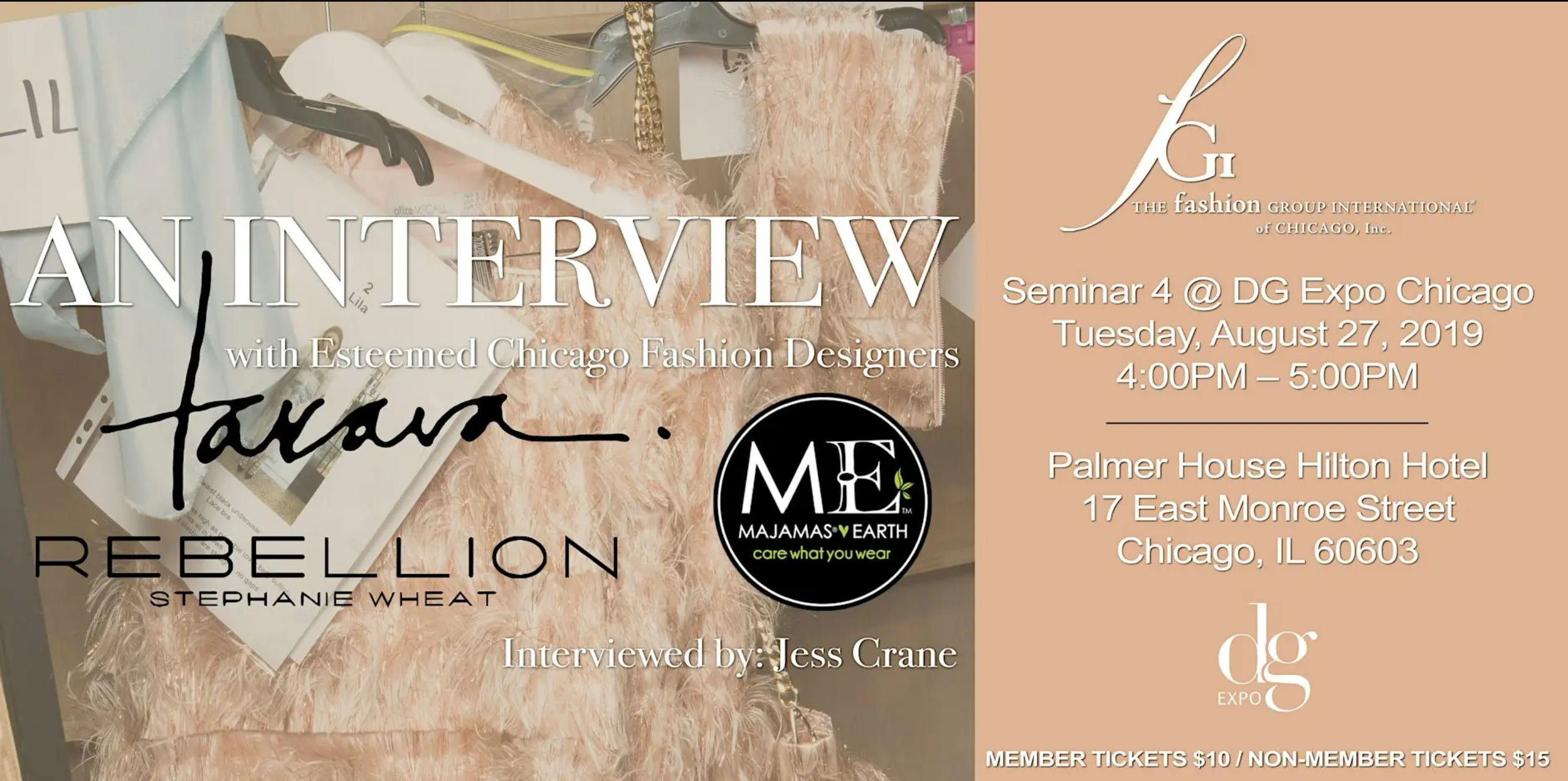
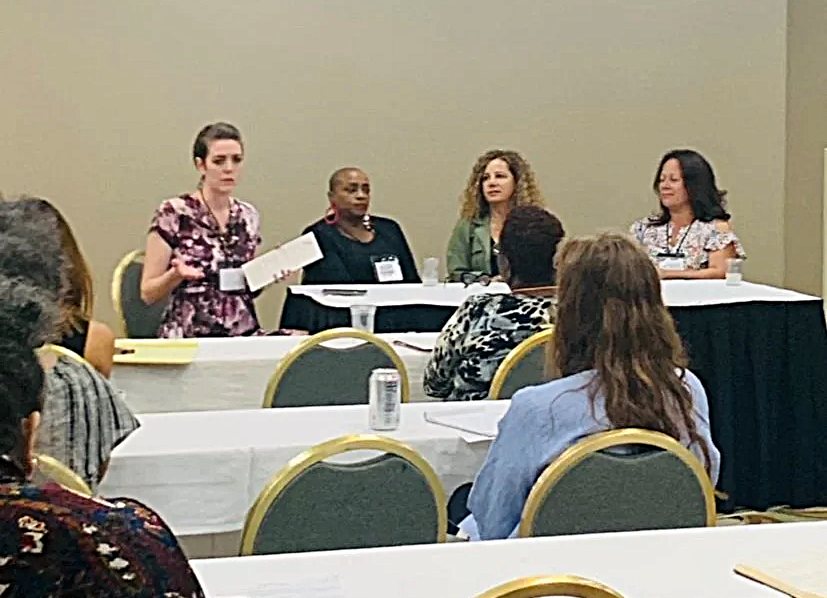
DG Expo returned to the Palmer House in 2018, and FGI Chicago continued to create programming connected to the show. In 2019, I organized and moderated “FGI Chicago x DG Expo: Interview with Esteemed Chicago Designers” at the Palmer House. I identified and invited three Chicago designers to share their knowledge, experiences, and stories with visitors to the Expo.
This type of programming matters because fashion is not built by one person working alone. Apparel businesses depend on relationships between designers, suppliers, technical professionals, manufacturers, retailers, educators, and others working across the industry.
A Midwest Meeting Place
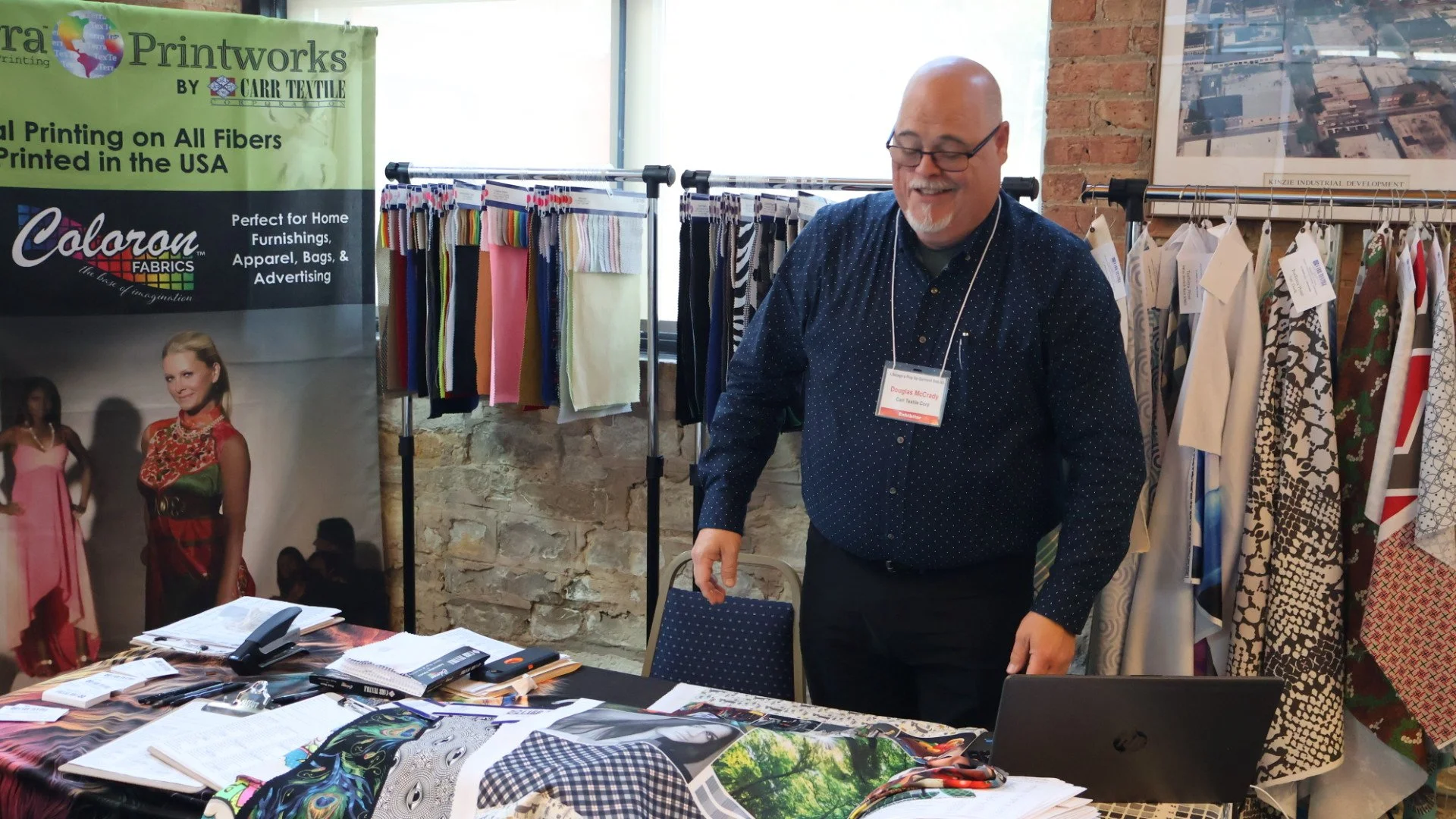
These events were not limited to people who lived or worked in Illinois. Fabric and trim representatives traveled to Chicago from other locations, while designers, students, entrepreneurs, and businesses from across the Midwest could come here to source, learn, network, and connect with the Chicago apparel industry.
Chicago became a regional meeting place. For many people, coming to Chicago was more accessible than traveling to larger coastal markets. It allowed attendees to meet representatives, see materials, learn about production, and begin relationships that could help move their businesses forward.
That regional role is important when thinking about a permanent garment district. A Chicago apparel center would serve people throughout Illinois, but it could also become a Midwest destination for sourcing, education, manufacturing connections, and community.
What the Events Revealed
The Chicago Textile Expo and DG Expo were temporary events, but they showed that the need was there.
For a short time, a designer could meet a fabric supplier, ask a production question, attend a seminar, and learn about local resources. That is part of what a garment district does. It makes an industry easier to find and easier to navigate.
But when the events ended, the resources became scattered again. People exchanged business cards and made connections, but there was no consistent shared place where that momentum could continue year-round.
For emerging designers in particular, this can be difficult. Manufacturers, suppliers, contractors, sample rooms, and specialized service providers may exist, but they are not always visible or easy to access. People can spend years trying to understand who does what, where to source, and how to get a product made locally.
AIBI’s Pop-Up Garment District
AIBI has been working to address this need through Chicago’s Pop-Up Garment District. In 2024, AIBI organized a two-day resource fair that it described as “Where Midwest Fashion Thrives,” bringing together designers, costumers, fabric stores, quilt and sewing businesses, business-to-business services, and wholesale suppliers with smaller minimums.[aibi][facebook]
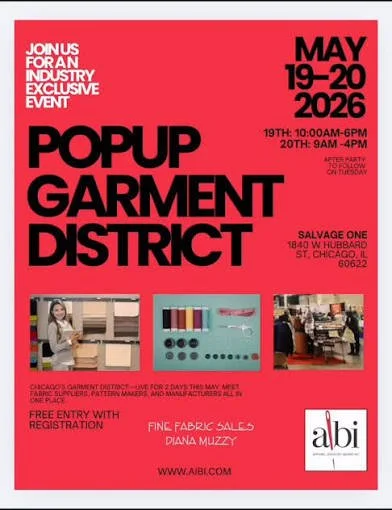
In 2026, AIBI partnered with Fine Fabric Sales for another Pop-Up Garment District event, bringing fabric suppliers, patternmakers, and manufacturers together in one place for two days. AIBI described that event as “Chicago’s Garment District—live for 2 days.”[givebutter][aibi]
I think this connection is important. Fine Fabric Sales helped host the Chicago Textile Expo years earlier, and now it is part of AIBI’s Pop-Up Garment District work. The same need has continued: Chicago’s apparel community needs more ways to find each other, share knowledge, and build businesses.
These events show that Chicago has the people and the interest to support a stronger regional apparel ecosystem. What has been missing is a permanent place to hold that momentum.
Why the Current Campaign Matters
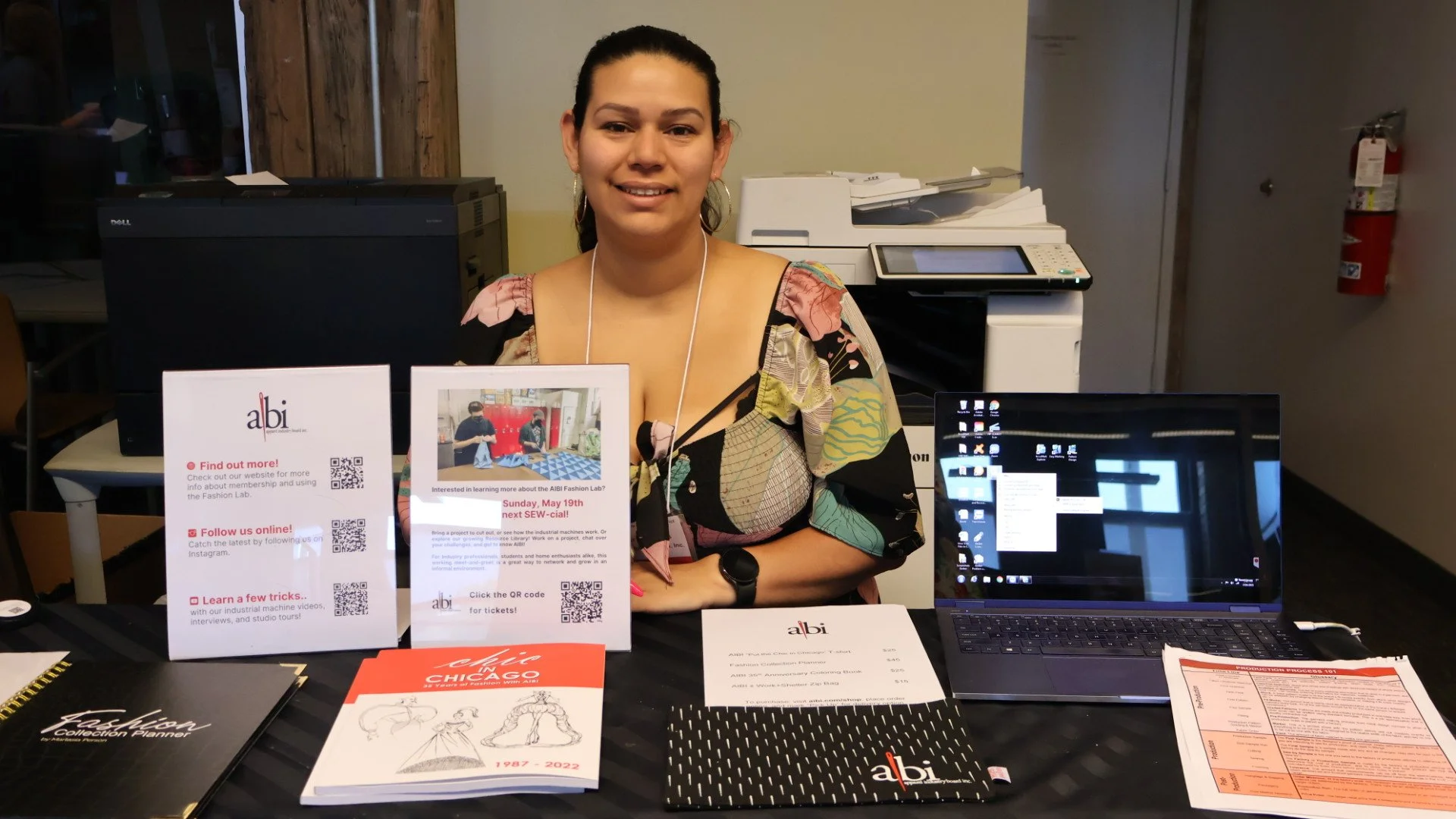
I have been connected to AIBI since approximately 2006. When I was beginning my career after fashion school, AIBI was one of the organizations that made the Chicago apparel industry feel more accessible. It provided a place to meet people, learn about resources, and better understand the local sewn-products community.
Like many fashion-design graduates in Chicago, I found work in related areas including apparel and product development, technical design, merchandising, retail, and other adjacent roles. I eventually started my own business, providing apparel and sewn-product development services to clients throughout the United States.
Throughout that work, I tried to keep production in Chicago and in the United States whenever possible. I believe local manufacturing supports jobs, small businesses, and the industry knowledge needed to make products here. But I also experienced how difficult it could be to find the resources needed to do that work locally.
AIBI’s current “It’s Time for a Garment District” campaign is an effort to make this type of access permanent. The campaign says it is working to build the place where Chicago’s next generation of fashion businesses begins.[givebutter]
A permanent garment district or apparel center could give Chicago a visible home for sourcing, production support, education, workshops, business development, networking, and public programming. More importantly, it could make the industry feel less hidden and less dependent on private connections.
Support the Campaign
Chicago does not need to create an apparel community from nothing. It is already here.
The Chicago Textile Expo, DG Expo, FGI Chicago programming, Fine Fabric Sales, AIBI’s Pop-Up Garment District, and the work of countless designers and industry professionals all show that Chicago has been building toward this idea for years.
A permanent garment district would give that work a place to grow.
To support AIBI’s campaign through my fundraising page, please visit: It’s Time for a Garment District — Jess Crane.